27.05.2026
Fachartikel
News
INTeRCePT 3.0: Longitudinal and Multimodal Risk Modeling for Personalized Lymphoma Treatment
INTeRCePT 3.0 develops a data-driven approach for the dynamic, personalized treatment of lymphomas by combining longitudinal and multimodal analyses to predict treatment response at an early stage.
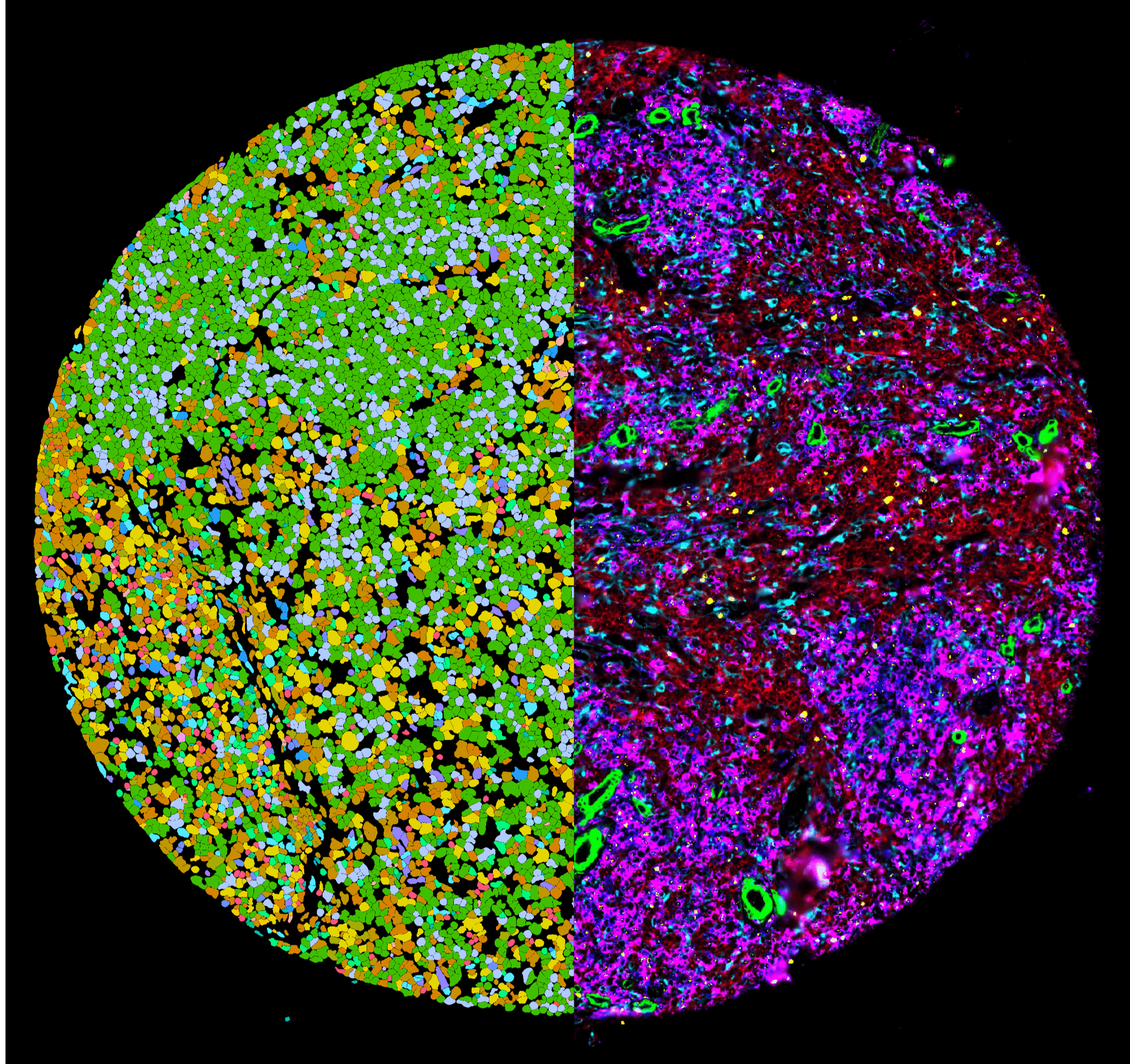
INTeRCePT 3.0 aims to fundamentally improve lymphoma treatment through dynamic, individualized risk prediction. At the core of the project is the question of how treatment response can be predicted as early and precisely as possible in order to better support clinical decision-making.
The approach is based on two key principles: longitudinal and multimodal analyses. Longitudinal means that samples are not analyzed at a single time point only, but repeatedly throughout the entire course of disease — particularly before and early during therapy. Multimodal refers to the integration and combined analysis of different types of data, including molecular, cellular, and clinical information. Together, these analyses provide a comprehensive understanding of the disease.
In contrast to conventional studies that often focus on isolated time points, INTeRCePT 3.0 systematically investigates changes in both the tumor and the immune system over the full course of disease progression.
This approach enables the early identification of insufficient treatment response. As a result, patients may be transitioned more rapidly to alternative therapies. At the same time, unnecessary side effects can be reduced and aggressive disease courses can be managed more effectively.
“INTeRCePT 3.0 represents a paradigm shift in precision oncology: moving away from static snapshots toward a dynamic, data-driven framework for clinical decision-making across the entire course of disease.”
Thorsten Zenz - Department of Medical Oncology and Hematology

In the long term, the developed models will be validated in a prospective clinical study. Through this work, INTeRCePT 3.0 makes an important contribution to advancing precision oncology and improving treatment outcomes for patients with lymphoma.
Structural Collaboration Across Multiple Institutions
The Zurich Precision Oncology Consortium (ZPOC) represents the first structural collaboration between the Comprehensive Cancer Center Zurich (CCCZ), the Tumor Profiler Center (TPC), and The LOOP Zurich, with the shared goal of strengthening translational cancer research in Zurich.
Through this new funding initiative, the three institutions support interdisciplinary collaborations that aim to develop and validate innovative diagnostic and therapeutic approaches for patient-centered precision oncology using state-of-the-art technologies and data science.
Submitted proposals were evaluated through a rigorous review process by an international panel of experts assessing scientific excellence, innovation potential, and clinical relevance.
Zurich Precision Oncology Consortium
INTeRCePT3.0
Dynamic individualized risk modeling to improve lymphoma treatment