CCCZ Fellow Program
A structured excellence program for the promotion of early-career physician scientists and translational scientists in oncology
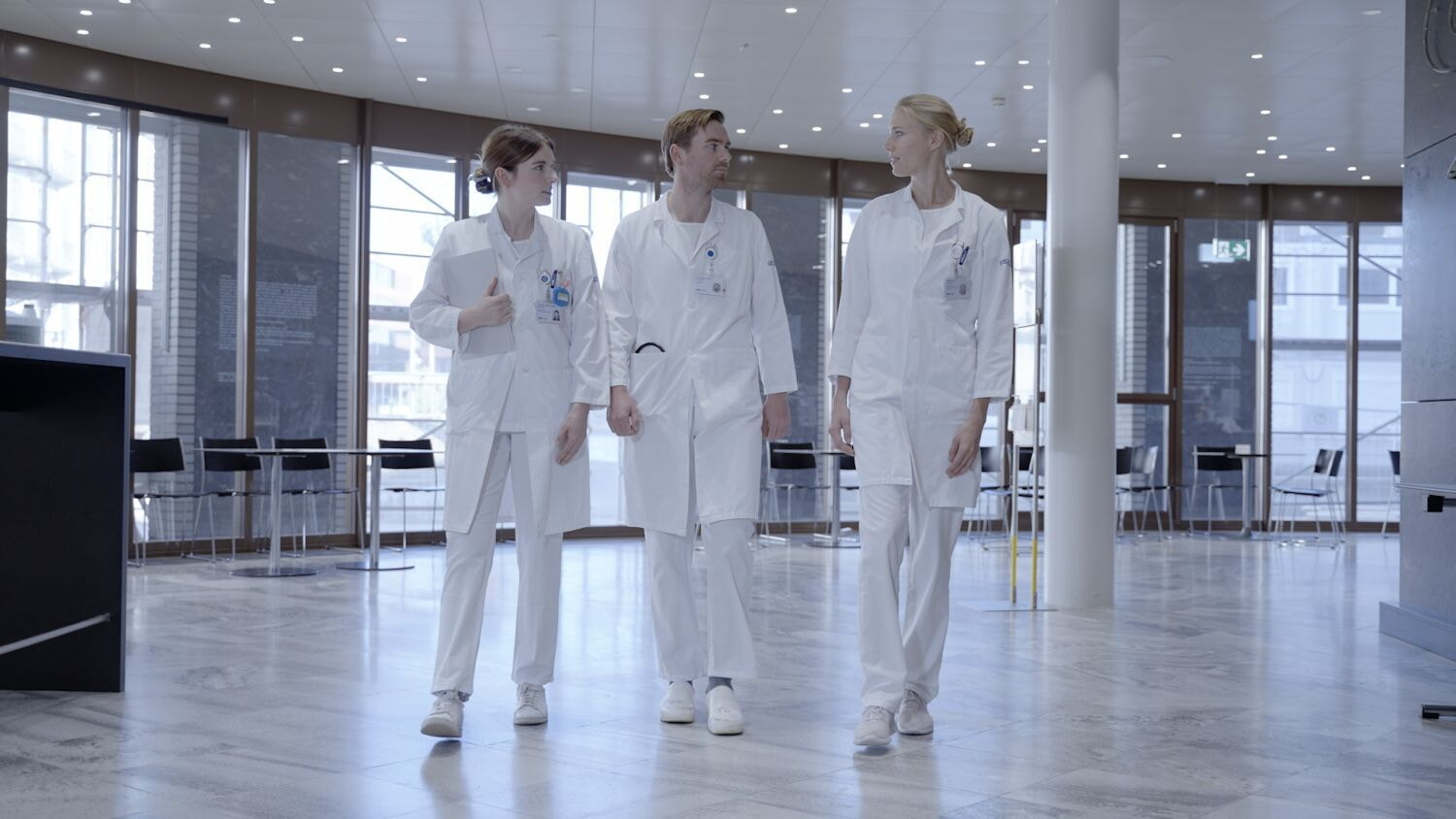
The CCCZ Fellow Program is a structured excellence program designed to support outstanding physician scientists and translational scientists in oncology. The program promotes emerging talents and fosters the next generation of leaders in cancer research and translational medicine.
Physician scientists are granted protected research time to pursue innovative projects within CCCZ clinical departments or research groups, developing a comprehensive understanding of cancer research and its clinical translation. Translational scientists are supported in conducting collaborative projects that bridge CCCZ research groups and clinical departments. Fellows are fully integrated into the Zurich cancer research community—participating in laboratory environments, scientific exchange, and network activities—and benefit from dedicated mentorship and structured career development programs offered by principal investigators, the University of Zurich, University Hospital Zurich, and the Medical Faculty Zurich.
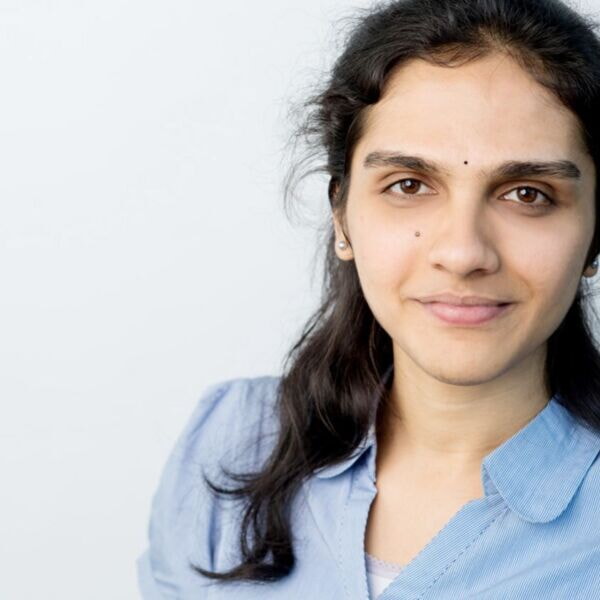
“CCCZ became a launchpad – giving me the chance to work across great labs, master new techniques, and build collaborations and friendships that continue to shape my scientific path”
Dr. Krithika Rajeeth - CCCZ Fellow, Department of Medical Oncology and Hematology, USZ

The application deadline for the current call has passed. The next call is planned for Q1 2027. Please check this website for updates.
CCCZ Scientific Education Travel Grants
Supporting the academic mobility and career development of early-career physician scientists and scientists of CCCZ. Funded by the #SOLAgegenKrebs fundraising campaign.
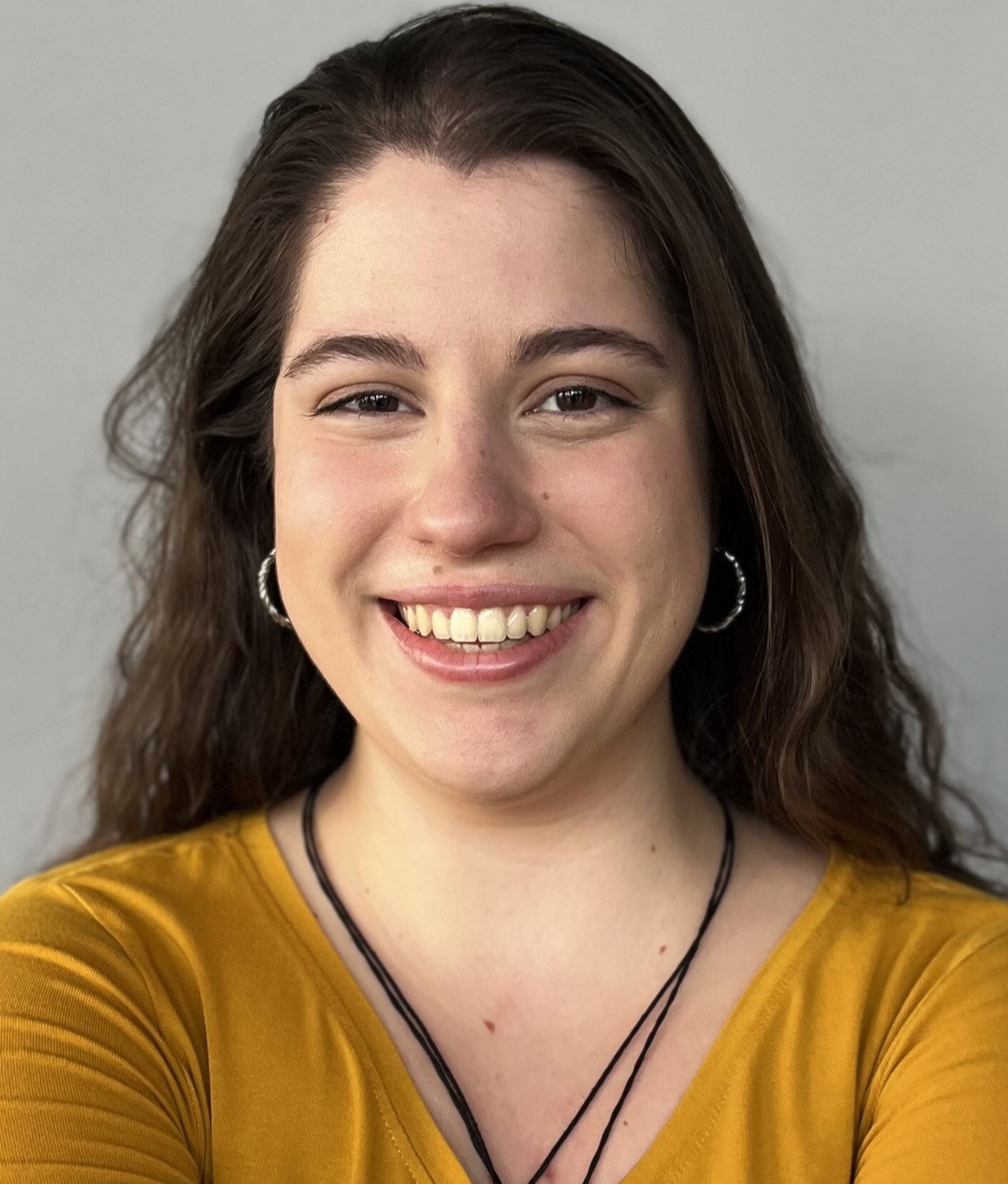
“The CCCZ travel grant helped me bridge my experimental and computational work, giving me the chance to strengthen my single-cell analysis skills, connect with young scientists and exchange ideas that will enrich my scientific journey. It was an inspiring step toward becoming a researcher who can both generate and deeply understand complex biological data.”
Maria Melissourgou - PhD Student, Domcke Lab, Department of Molecular Life Sciences, UZH
CCCZ Fellows 2026
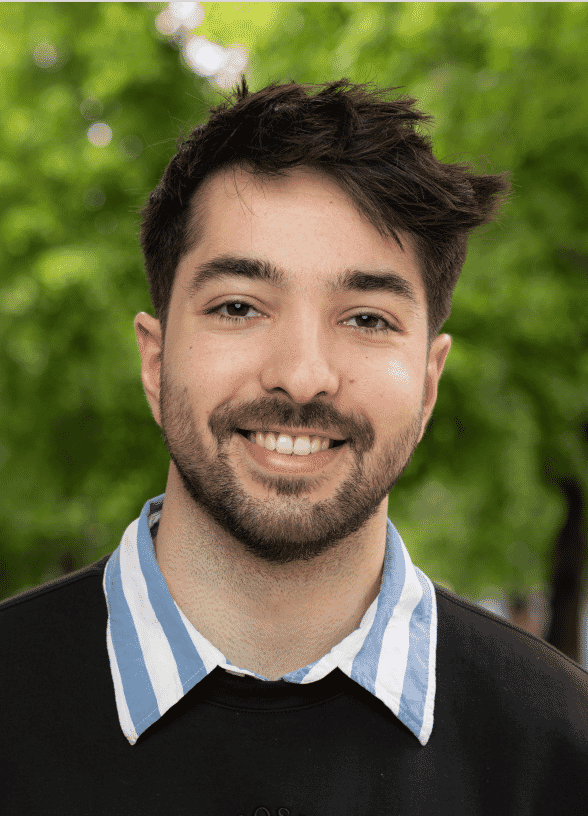
Maximilian Otto, MD
Physician Scientist
Project title
MICA/B cleavage-resistant NKG2D CAR T cells against glioblastoma
Maximilian Otto, MD
Physician Scientist
Project title
MICA/B cleavage-resistant NKG2D CAR T cells against glioblastoma
PI: Prof. Dr. med. Patrick Roth
Department: Neurology, USZ
Funding Period: 2026
Funding: Von Tobel Stiftung
“Through the CCCZ Fellowship, I am pursuing the development of novel CAR T-cell therapies for glioblastoma that address critical limitations of current immunotherapeutic approaches, including antigen escape and CAR T-cell exhaustion. My research focuses on the NKG2D–MICA/B axis, a stress-induced immune recognition pathway with strong relevance in malignant brain tumors. By leveraging this pathway, the project aims to improve tumor cell recognition and to equip CAR T cells with mechanisms that actively counteract immune evasion by glioblastoma cells.”
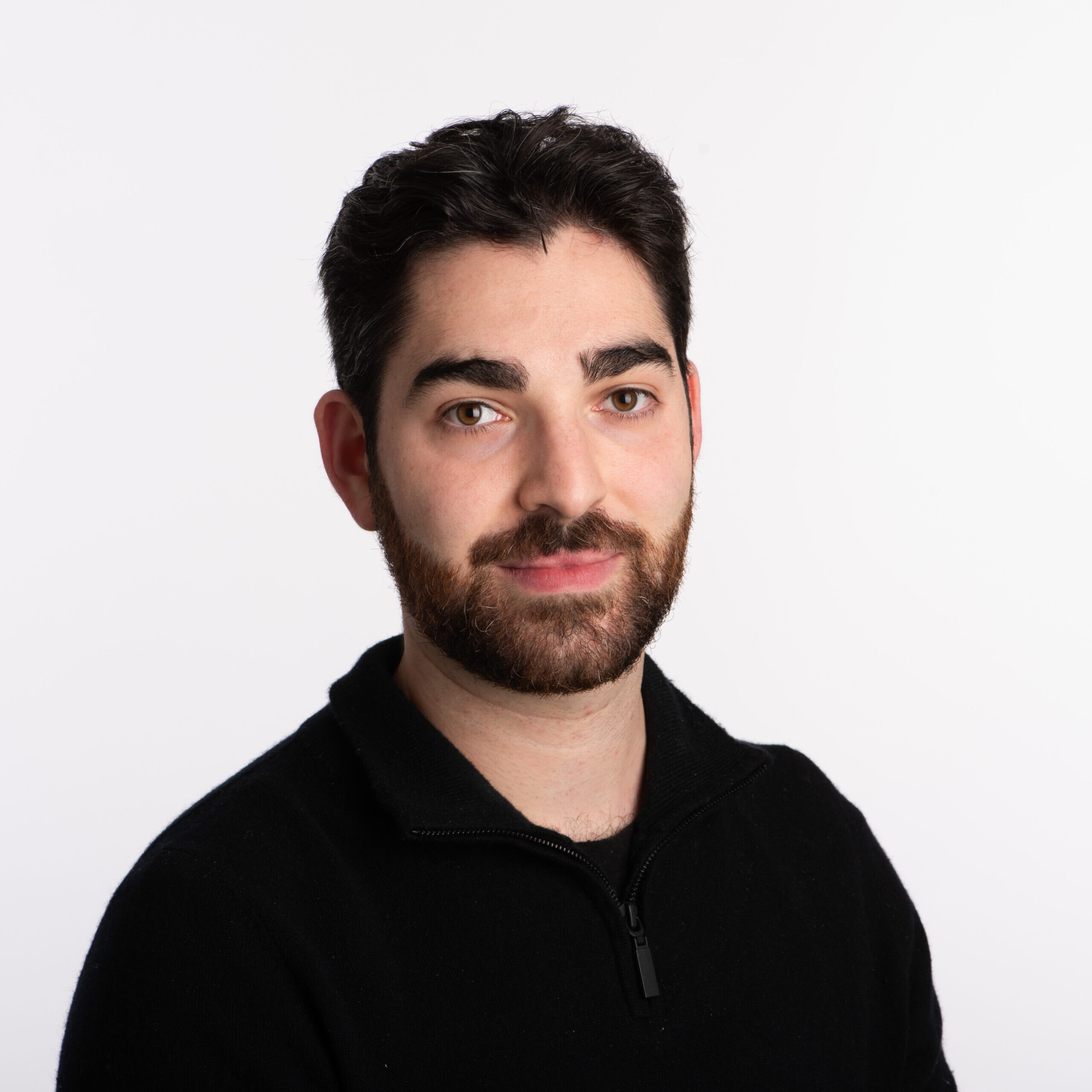
Emanuel Rom, MD
Physician Scientist
Project title
Inflammasome Inhibition in Acute Myeloid Leukemia
PI: Jana M. Ellegast, MD
Department: Medical Oncology and Hematology, USZ
Funding Period: 2026
Funding: Mirto Stiftung
“Acute myeloid leukemia (AML), the most common acute leukemia in adults, remains poorly treated and has not benefitted from the cancer immunotherapy revolution. This project takes a novel approach by deciphering cell-intrinsic inflammation in AML. Previous work determined that AML blasts depend on fine-tuned regulation of intrinsic inflammation, and thus its perturbation can be exploited as cell-intrinsic, self-directed immunotherapy. I am deeply grateful to the CCCZ fellowship for providing me with the opportunity to pursue this innovative research direction. This support enables me to investigate a promising therapeutic avenue that could unlock new treatment strategies for a disease in urgent need of better options, with the ultimate goal of improving outcomes for AML patients.”
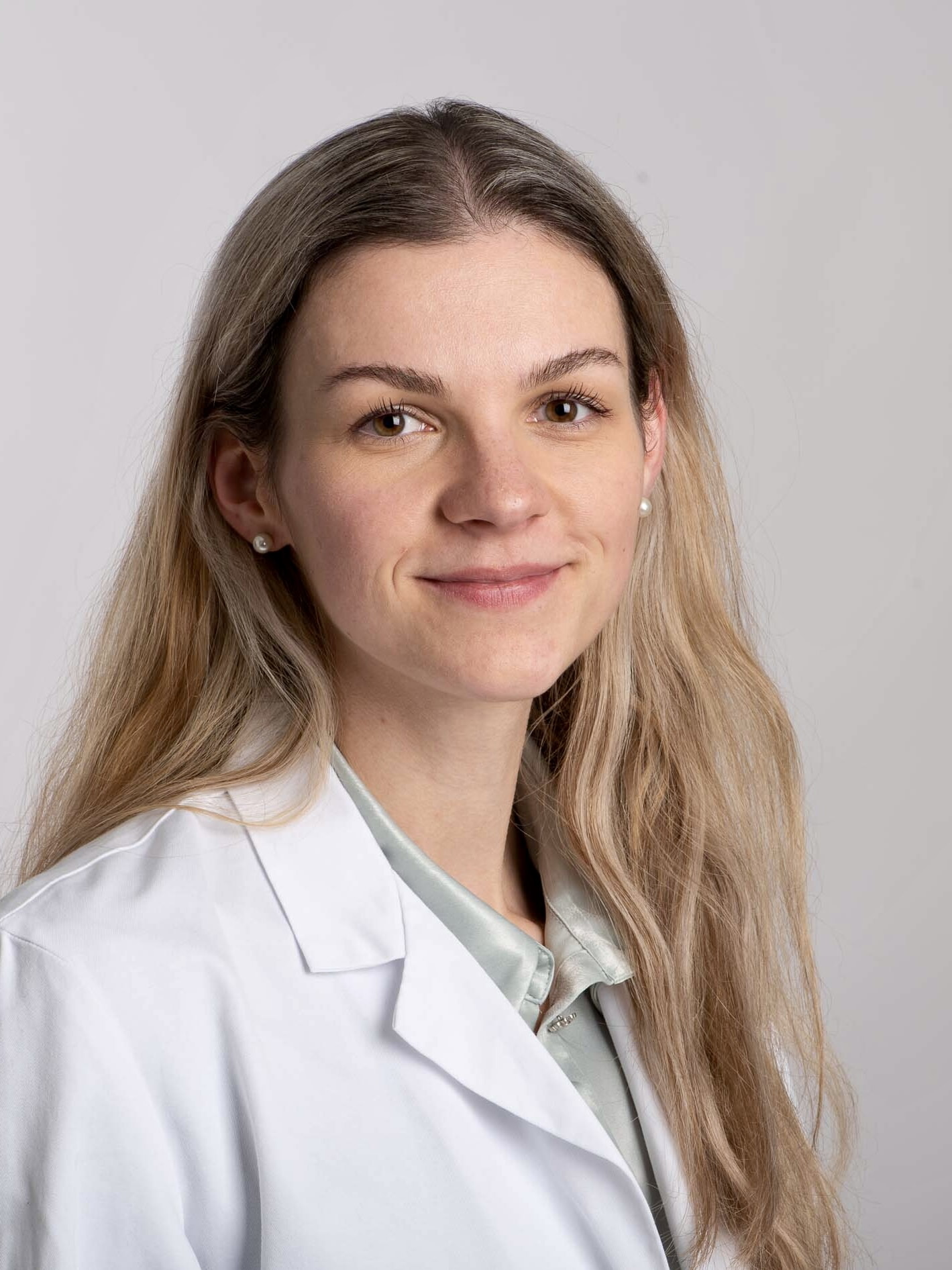
Dr. Sabrina Reichl, MD
Physician Scientist
Project title
Radiotherapy-induced microbiome alterations: a translational study in cancer patients and preclinical models
Dr. Sabrina Reichl, MD
Physician Scientist
Project title
Radiotherapy-induced microbiome alterations: a translational study in cancer patients and preclinical models
PI: Prof. Dr. Matthias Guckenberger, Prof. Dr. Martin Pruschy
Department: Radiation Oncology, USZ
Funding Period: 2026
Funding: Hermann Klaus Stiftung
“The CCCZ Fellowship represents a unique opportunity to merge my clinical work in radiation oncology with translational research on the microbiome – an emerging frontier in cancer treatment. This project combines clinical studies in cancer patients with controlled preclinical experiments to understand how radiotherapy reshapes microbial communities and whether these changes can predict treatment toxicity. Building on my foundation in preclinical radiobiology, I aim to identify microbiome-based biomarkers and develop targeted strategies to personalize radiotherapy. Ultimately, I hope to contribute to safer, more effective cancer treatments that minimize side effects and improve patient outcomes.”
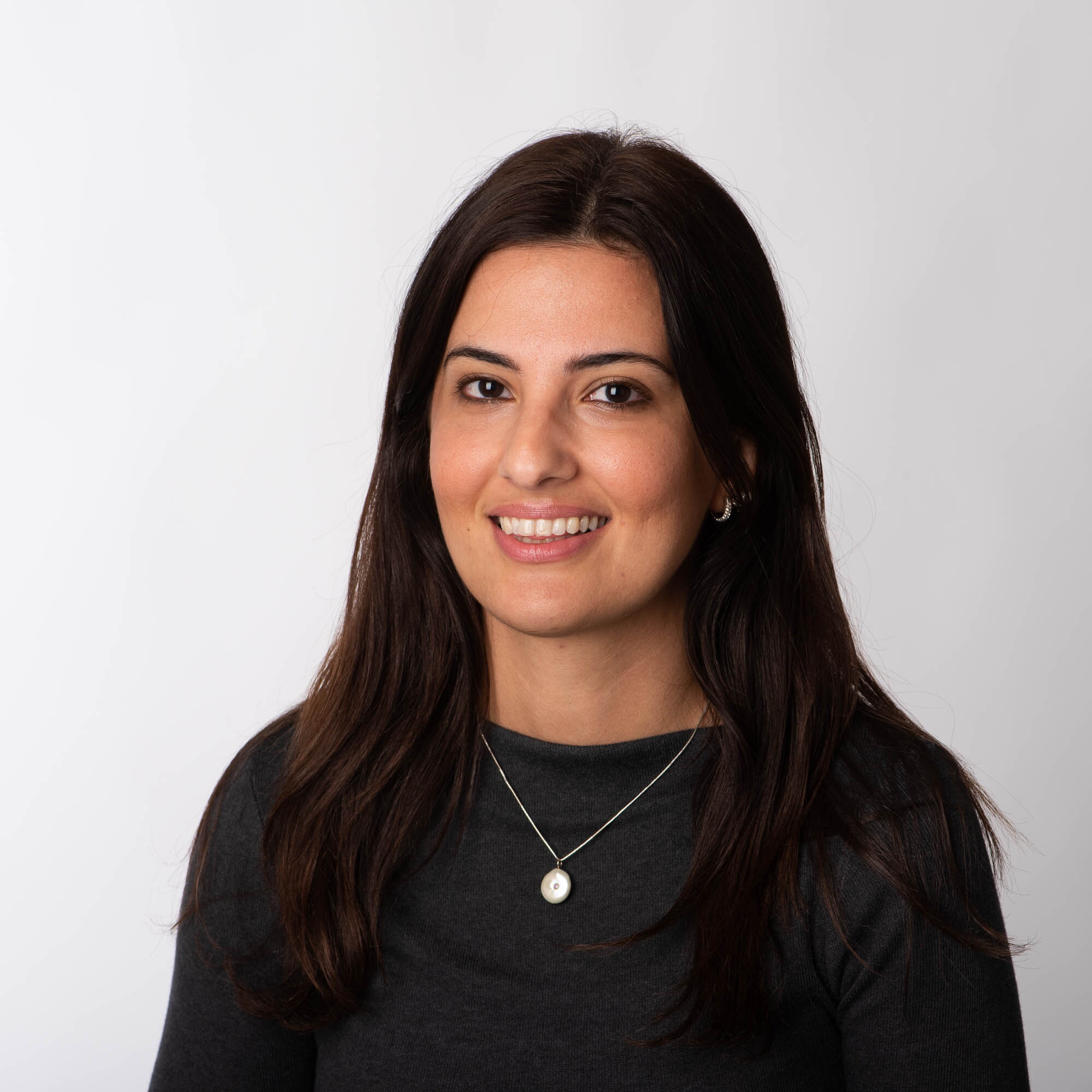
Dr. Chiara Brandas, (PhD)
Translational Scientist
Project title
Generation of off-the-shelf universal Sleeping Beauty adaptor CAR T cells (TCR-/β2M- SB AdFITC-CAR T cells)
Dr. Chiara Brandas, (PhD)
Translational Scientist
Project title
Generation of off-the-shelf universal Sleeping Beauty adaptor CAR T cells (TCR-/β2M- SB AdFITC-CAR T cells)
PI: Prof. Dr. med. Markus G. Manz, Prof. Dr. Chiara F. Magnani
Department: Medical Oncology and Hematology, USZ
Funding Period: 2026
Funding: CCCZ
“The CCCZ fellowship will offer me the opportunity to apply and further develop my already strong expertise in genome engineering technology for exploring innovative strategies for the generation of a universal CAR T cell approach, based on non-viral gene transfer. With this project, we want to optimize a multi targeting system for T cells, enabling non-viral targeted CAR insertion and disruption of endogenous genes that can limit cell persistence or contribute to immunogenicity. By advancing this innovative approach, we aim to enhance the effectiveness and durability of T cell-based therapies, paving the way for more impactful clinical treatments in leukemia and other tumor malignancies.”
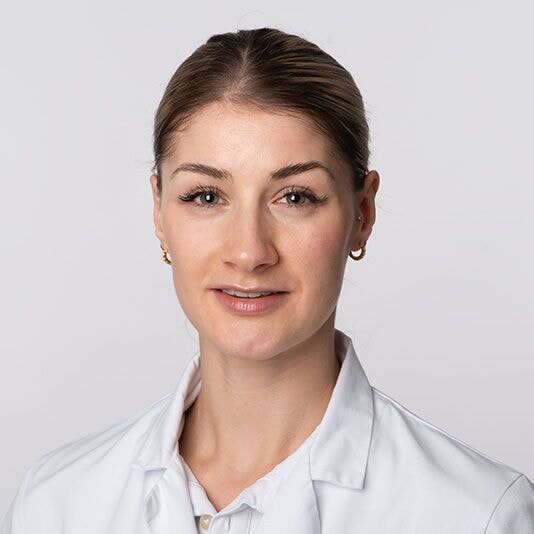
Dr. Nina Steinmann, MD
Physician Scientist
Project title
OPTIMUS – Organoid-guided Platform for Therapeutic stratification and Individualized Medicine in Lung Cancer
Dr. Nina Steinmann, MD
Physician Scientist
Project title
OPTIMUS – Organoid-guided Platform for Therapeutic stratification and Individualized Medicine in Lung Cancer
PI: Prof. Dr. med. Isabelle Schmitt Opitz
Department: Thoracic Surgery, USZ
Funding Period: 2026
Funding: Swiss Cancer Foundation
“The support from the Swiss Cancer Foundation enables me to advance a translational research project at the interface of thoracic surgery and oncology, focusing on patient-derived organoid models in non-small cell lung cancer. By establishing and applying these clinically relevant models, my goal is to better understand tumor heterogeneity, mechanisms of treatment response, and resistance patterns, ultimately improving patient stratification and therapeutic decision-making. This project represents an important step toward integrating molecular research with oncology. As part of my long-term development as a clinician-scientist, this work will contribute to building a bridge between bench and bedside and support the development of more precise and effective treatment strategies for patients with thoracic malignancies.”
CCCZ Fellows 2025-2026
Dr. med. Sabrina Reichl
Physician Scientist
Project title
Impact of draining lymph node irradiation during radioimmunotherapy on tumor dissemination
Dr. med. Sabrina Reichl
Physician Scientist
Project title
Impact of draining lymph node irradiation during radioimmunotherapy on tumor dissemination
PI: Prof. Dr. Martin Pruschy
Department: Radiation Oncology, USZ
Funding Period: 2025
Funding: Sassella Stiftung
“The CCCZ fellowship offers me a remarkable opportunity to investigate the impact of draining lymph node irradiation on tumor dissemination using a state-of-the-art small animal radiotherapy platform that closely mimics clinical conditions. In my project, I will examine the CCL19/21-CCR7 signaling pathway, crucial for a strong radioimmune response against tumors, in both murine and human lymph nodes. By uncovering how treatment affects tumor-lymph node communication, I aim to refine radioimmunotherapy protocols to enhance cancer treatment effectiveness, reduce metastasis, and ultimately improve patient outcomes.”
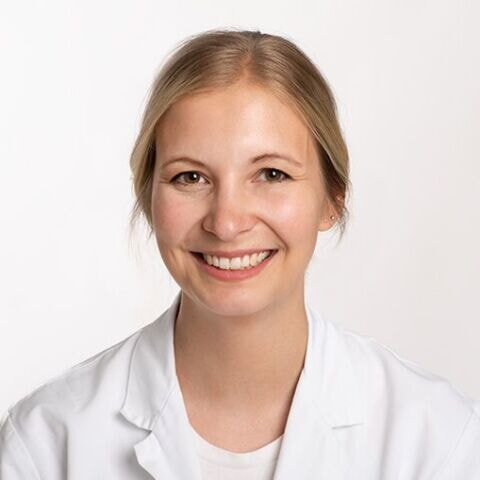
Dr. med. Julia Trepl
Physician Scientist
Project title
Exploiting inflammatory signaling in bone and soft tissue sarcoma for novel therapeutic approaches
Dr. med. Julia Trepl
Physician Scientist
Project title
Exploiting inflammatory signaling in bone and soft tissue sarcoma for novel therapeutic approaches
PI: Prof. Dr. med. Jana Ellegast
Department: Medical Oncology and Hematology, USZ
Funding Period: 2025
Funding: CCCZ
“The CCCZ fellowship will provide me with a unique opportunity to bridge my clinical work with basic science, allowing me to develop a translational research project aimed at identifying new drug targets by exploring inflammatory signaling pathways in sarcoma. This interdisciplinary approach will enhance my ability to connect fundamental discoveries with clinical application, laying the groundwork for my future career as a physician-scientist. Through this experience, I hope to contribute to innovative therapeutic strategies that can ultimately improve patient outcomes.”
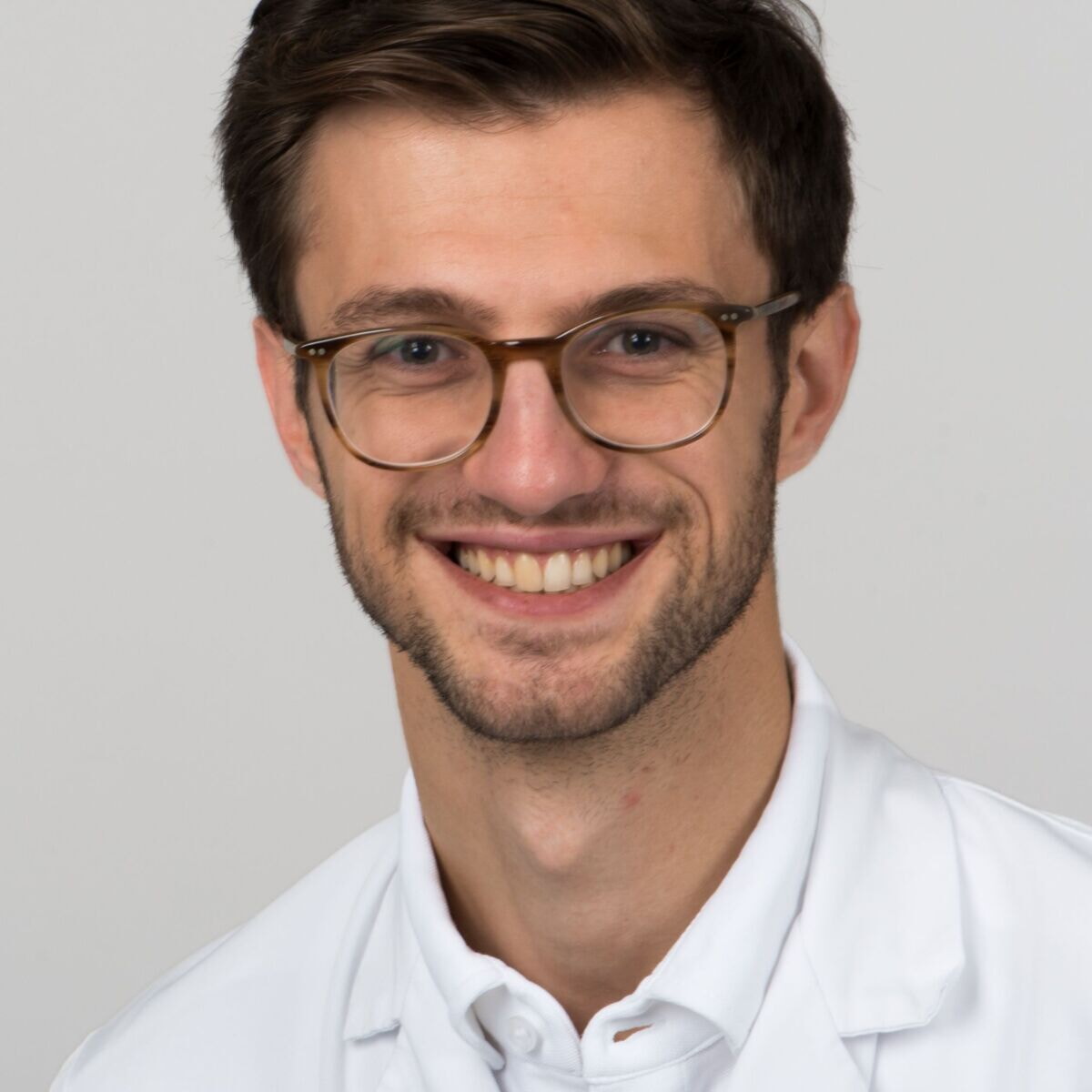
Dr. med. Sebastian Stolz
Physician Scientist
Project title
Understanding the clinical interaction mechanisms of chimeric antigen receptor T-cells to predict efficacy, side effects and develop prevention strategies
Dr. med. Sebastian Stolz
Physician Scientist
Project title
Understanding the clinical interaction mechanisms of chimeric antigen receptor T-cells to predict efficacy, side effects and develop prevention strategies
PI: Prof. Dr. med. Dominik Schneidawind
Department: Medical Oncology and Hematology, USZ
Funding Period: 2025
Funding: CCCZ
“The CCCZ fellowship provides me with the unique opportunity to deepen my expertise in CAR T-cell therapy in a supportive and collaborative environment. Through the rising use of cellular therapy, we expect an increase in short and long term CAR T-cell related side effects. With this project, we want to investigate the mechanisms of the known, most significant side effects and their impact on therapeutic success. The promising preliminary work and the excellent research environment with several collaborations hold the potential to leave a positive impact for patients at risk and ensure that innovative treatments are both effective and accessible.”
Related publications supported by the CCCZ Fellowship:
Tyrosine kinase inhibitors with blinatumomab versus chemotherapy in Philadelphia-positive acute B-lymphoblastic leukemia. Stolz SM et al., .Int J Cancer. 2025
Prophylactic Tocilizumab prior to infusion of CD19 CAR T-cells reduces therapy-related complications in older lymphoma patients. Stolz SM et al.,. Ann Hematol. 2025
Dr. Krithika Rajeeth
Translational Scientist
Project title
Dissecting inflammation-induced drug resistance in acute myeloid leukemia
Dr. Krithika Rajeeth
Translational Scientist
Project title
Dissecting inflammation-induced drug resistance in acute myeloid leukemia
PIs: Prof. Dr. César Nombela-Arrieta & Prof. Dr. med. Jana Ellegast
Department: Medical Oncology and Hematology, USZ
Funding Period: 2025-2026
Funding: CCCZ
“My academic and research journey has been driven by a deep passion for cancer biology, with a particular focus on translating bench-side discoveries into practical therapies for patient care. Through the prestigious CCCZ fellowship, I will be working on a research project that aims to dissect the inflammatory mechanisms underlying drug resistance in acute myeloid leukemia. Drug resistance remains a significant challenge in many cancers, often leading to cancer relapse and poor patient prognosis. By dissecting the pathways that contribute to resistance, my goal is to uncover novel therapeutic targets and strategies that can mitigate this issue, thus improving the effectiveness of existing treatments.”