6.07.2026
Better Data, Better Cancer Therapies
A joint analysis by Swissmedic, University Hospital Zurich (USZ), and the University of Zurich (UZH) demonstrates how essential a structured data foundation is for evaluating and using new cancer medicines. The two studies link approval and clinical trial data from the past 20 years, creating a basis for better understanding the real-world benefits of innovative cancer therapies for patients.

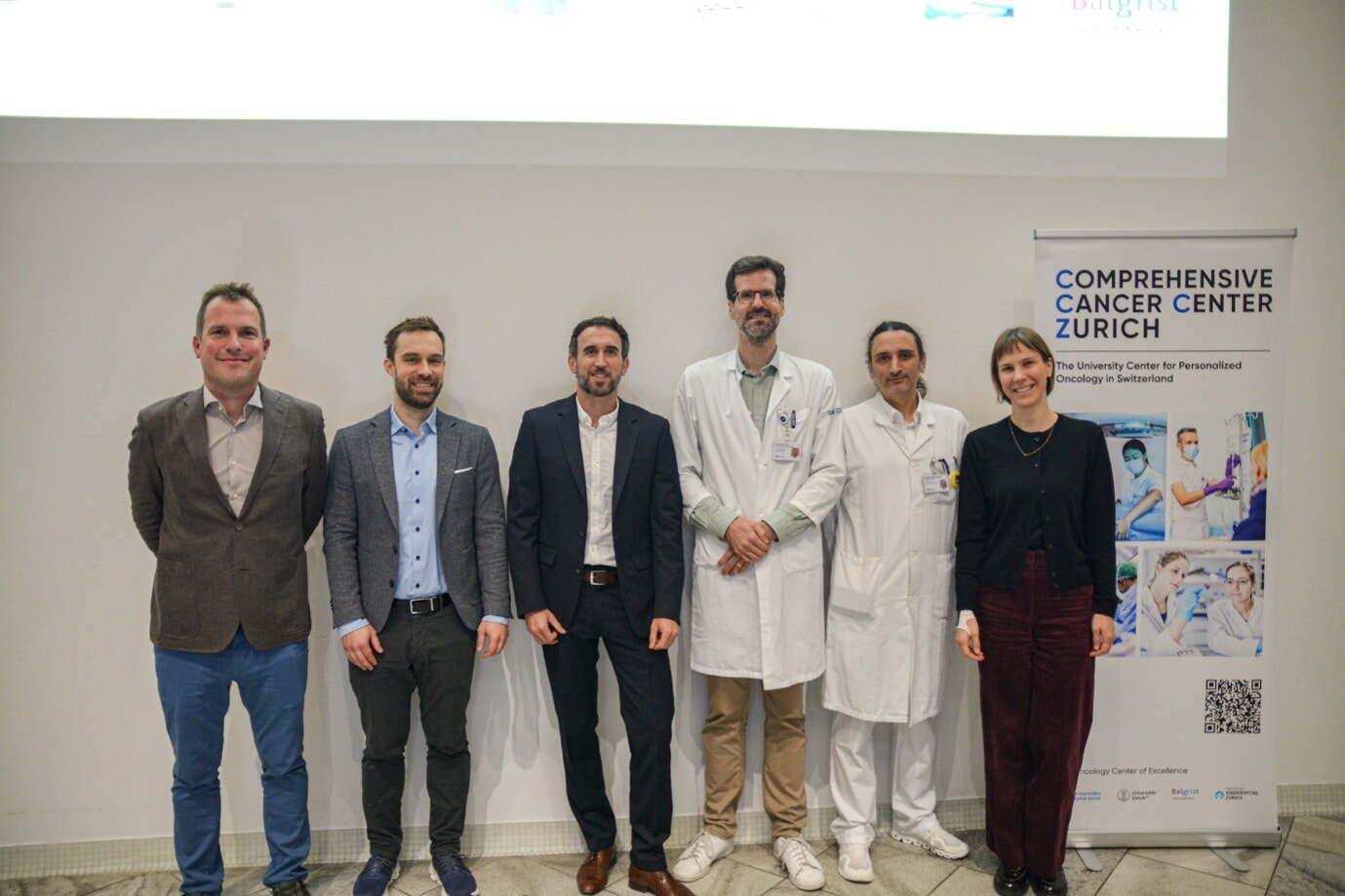
The CCCZ brings together clinical oncology, research, and regulatory expertise to accelerate the translation of new therapies into clinical practice—while ensuring they are evidence-based. This is precisely the focus of two joint studies conducted by Swissmedic, USZ, and UZH. They examine how effective new cancer drugs are, how robust the scientific evidence behind their approval is, and how oncology trial designs have evolved over two decades.
Over a period of three years, approval data on oncology drugs from 2001 to 2020 were systematically processed, harmonized, and linked with clinical trial data. This resulted in the first structured dataset in Switzerland to combine regulatory decisions and clinical outcomes—an essential prerequisite for reliably assessing the true clinical benefit of new drugs and therapies. The findings were published in two international peer-reviewed journals and provide important insights into the efficacy, safety, and quality of cancer drug trials.
Efficacy and Safety Evidence Supporting Cancer Drug Approvals in Switzerland (2001–2020): A Meta-Analysis of Pivotal Randomised Controlled Trials
The study shows that new cancer drugs can prolong patient survival and delay disease progression, although the extent varies depending on tumor type and treatment. Indirect endpoints such as tumor growth or time to relapse are increasingly interpreted in the context of overall survival, enhancing their relevance for future clinical trials and regulatory processes.
Trends in pivotal clinical trial design and biomarker use: a retrospective analysis of oncology drug approval in Switzerland from 2001 to 2020
This study analyzes how clinical trial designs in oncology have evolved and highlights the growing importance of biomarkers. It confirms the shift toward personalized cancer medicine, where treatments are increasingly tailored to individual biological characteristics—a key focus of precision oncology at the Comprehensive Cancer Center Zurich.
“This collaboration demonstrates the value of combining regulatory expertise with clinical and scientific perspectives. By systematically linking approval and trial data, we create a stronger foundation for understanding the benefits of new cancer therapies—and ultimately for improving patient care.”
Prof. Dr. med. Dr. phil. - Director CCCZ Clinical Program Comprehensive Cancer Center Zürich

Outlook: A data foundation for future decisions
The results of the two studies underscore the value of structured data analyses between regulatory authorities and clinical partner institutions—particularly for a center like CCCZ, which bridges research and patient care. Swissmedic, USZ, and UZH plan to continue their collaboration and further expand the shared data platform to address future regulatory and scientific questions with greater precision. For patients, this means that new cancer therapies will not only become available more quickly but will also be selected and applied based on increasingly robust evidence.