25.06.2026
World’s first clinical trial of novel CAR immune cells for glioblastoma
Glioblastoma is one of the most aggressive brain tumors in adults. Despite surgery, radiotherapy and chemotherapy, the tumor often grows back, and there are currently no curative therapies. New treatment approaches are therefore urgently needed. With the MIRACLE clinical trial, a research team at the Comprehensive Cancer Center Zurich (CCCZ) is investigating a novel immunotherapy designed to act directly in the tumor area.
Activating the body’s own immune cells against cancer
At the heart of the trial are so‑called CAR immune cells. These are the patient’s own immune cells, isolated from the blood and genetically modified in the laboratory so that they can specifically recognize and attack cancer cells. The modified cells are then returned to the patient.
Such cell therapies have already led to major advances in certain blood cancers. In brain tumors such as glioblastoma, however, the situation is much more challenging. One reason is the special tumor microenvironment: glioblastomas can strongly suppress the immune system and thereby protect themselves from attack. In addition, manufacturing conventional CAR cell therapies often takes several weeks. For patients with rapidly progressive disease, this can be too long.
Manufacturing within just a few hours
The MIRACLE trial therefore relies on a new technology. Using mRNA, immune cells are programmed to recognize tumor cells and simultaneously release pro‑inflammatory signaling molecules. These molecules are intended to boost the immune response within the tumor and activate additional immune cells.
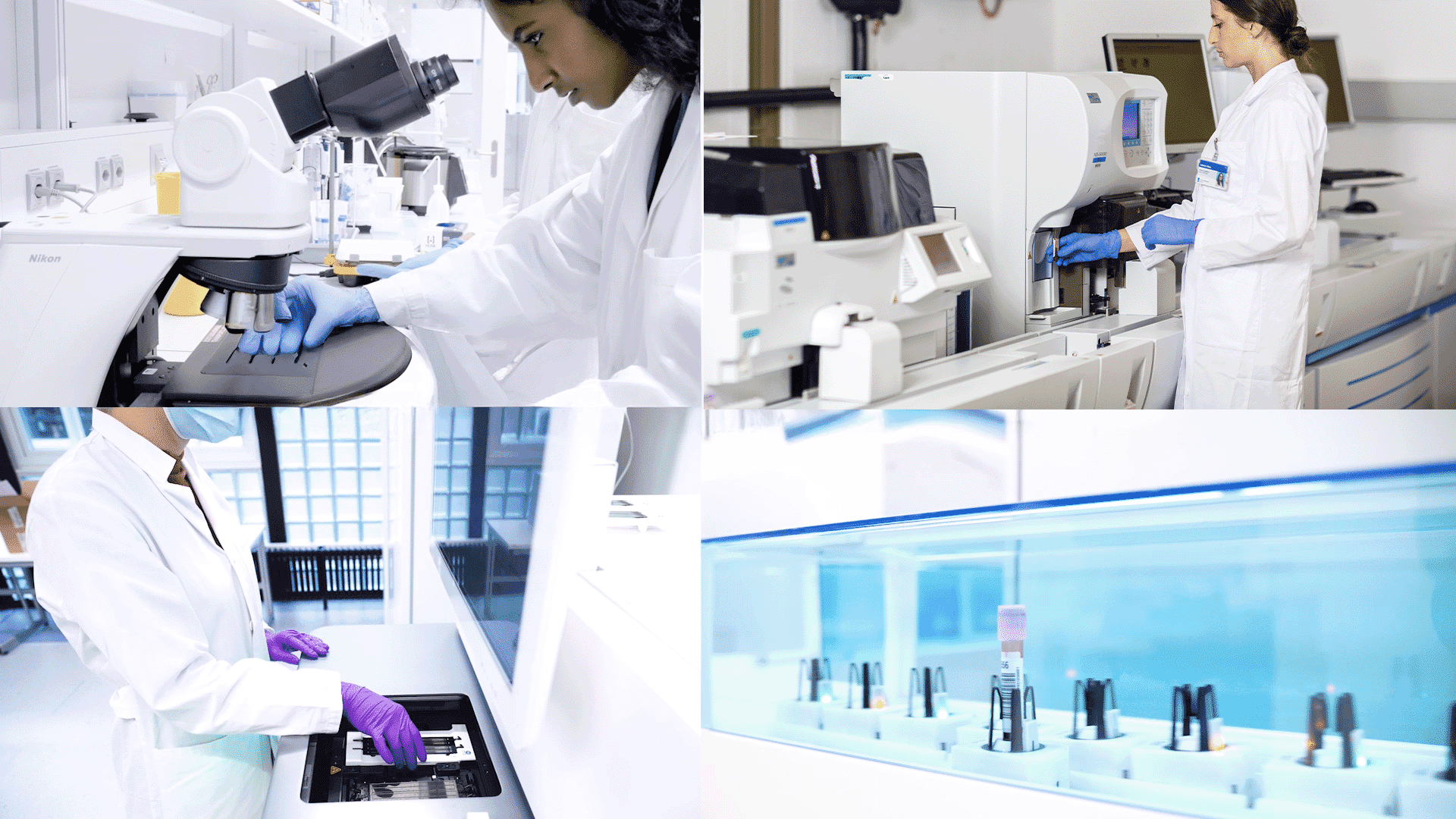
A key advantage is that the cells can be manufactured within just a few hours. To achieve this, immune cells are collected from the patient’s blood, equipped with mRNA in the laboratory, and then reinfused. Unlike many established approaches, no prolonged cell culture is required.
Direct treatment in the tumor area
The trial targets patients with recurrent glioblastoma who are eligible for another operation after standard therapy. During surgery, a small reservoir connected to a catheter is implanted. Through this system, CAR immune cells can be delivered directly into the area where the tumor is located or was located.
Participants receive two doses: one directly after surgery and a second two weeks later. The goal is for the therapy to act precisely where it is needed most.
Safety comes first
MIRACLE is a phase I trial. In this early phase of clinical testing, the main focus is on assessing the safety of the new therapy and determining the appropriate dose for future trials. In addition, the research team is looking for first signals that the treatment may influence tumor growth and activate the immune system against the cancer.
To this end, blood samples, fluid from the reservoir and, where possible, tumor tissue are analyzed. This will help the researchers better understand how the immune cells act in the body and how the immune landscape in the tumor area changes. The patients’ quality of life is also systematically recorded as part of the study.
First trial of its kind worldwide
Experts from neurology, neurosurgery, oncology, hematology and translational research are involved in the trial. The aim is to evaluate an approach that could, in the long term, be available more rapidly, be applicable to a broader patient population and potentially be more effective than existing cell therapies for glioblastoma.
“This study offers glioblastoma patients access to the world’s first clinical trial using multifunctional CAR immune cells that contain multiple immune cell types.”
PD Dr. Dr. Tobias Weiss - Department of Neurology, University Hospital Zurich

The study is funded by the CCCZ with more than CHF 2 million. In doing so, the CCCZ supports particularly innovative, interdisciplinary research projects that open new avenues in cancer medicine and are intended to lead, in the long term, to better diagnostic and treatment options for patients.
A step towards new treatment options
Whether the new therapy can improve the course of disease will be carefully evaluated in the clinical trial. Already now, MIRACLE illustrates how closely modern research, clinical medicine and innovative technologies must work together to develop new strategies against particularly hard‑to‑treat cancers.
For patients with recurrent glioblastoma, the trial offers the opportunity to gain access to a novel treatment approach – while at the same time helping to advance the cancer medicine of the future.

Institution
University Hospital Zurich
CCCZ Lighthouse Projects
Interdisciplinary research teams transfer findings from basic research into clinical application and develop new treatment concepts for cancer.