23.09.2026
Blood Cancer Awareness Month September: Precision oncology for new blood cancer therapies
New cancer therapies don't happen by chance. They are the result of years of research. For Blood Cancer Awareness Month in September, we are featuring three CCCZ-funded Lighthouse Projects that could make a lasting difference in how leukemia and lymphoma are treated.
Developing new, precise therapies for blood cancers is one of the CCCZ’s core research priorities. Long-term investment from University Medicine Zurich (UMZH) supports several interdisciplinary Lighthouse Projects at the CCCZ. Their goal is to turn scientific findings into more effective, more personalized treatments for patients, and to do so faster.
Three of these projects take on different challenges in leukemia and lymphoma. Together, they show how precision oncology can change cancer medicine:
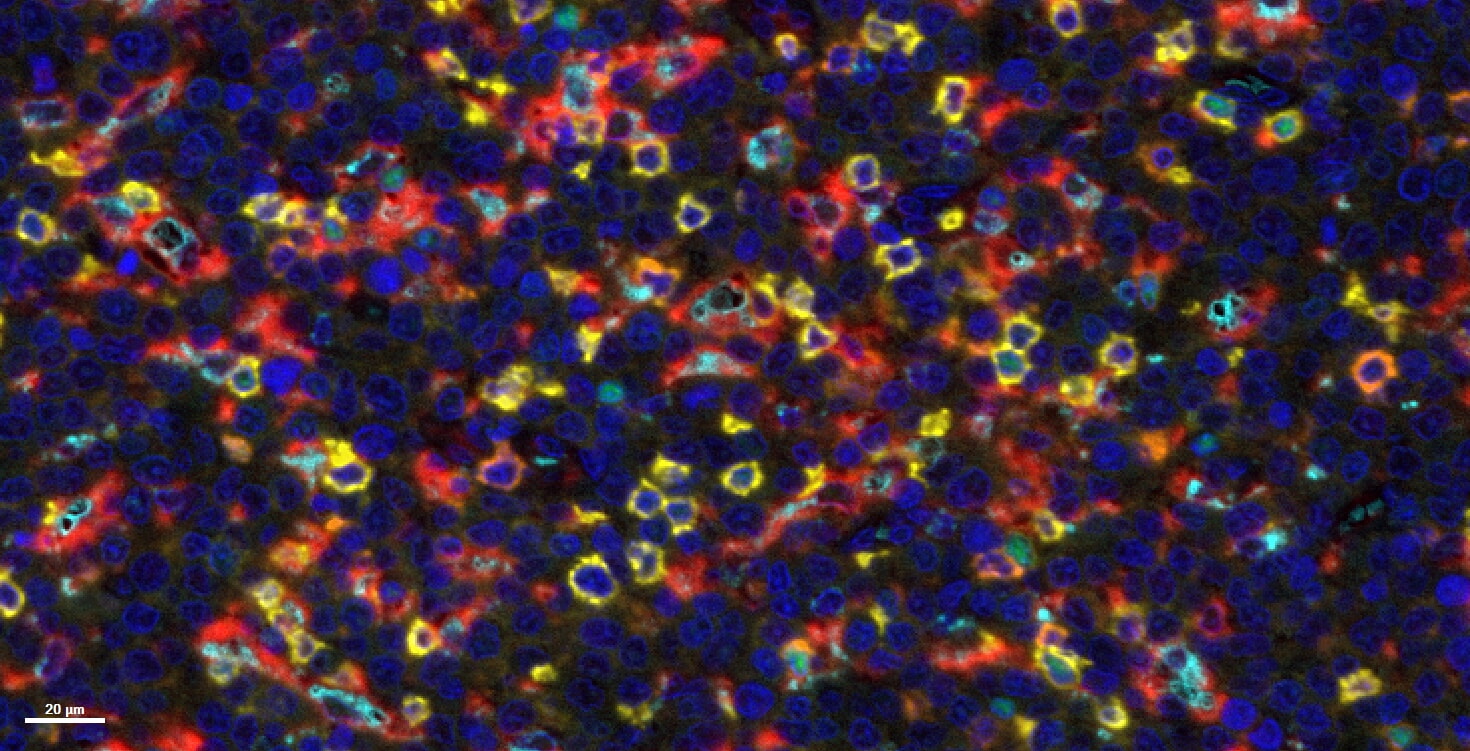
MACROCURE – Reprogramming the Immune System
Immunotherapies help the body fight cancer on its own. Until now, they have mainly worked through T cells and antibodies. The MACROCURE project focuses on a different cell type: macrophages. These “scavenger cells” are common in tumors, where cancer cells can influence them. The project focuses on three particularly severe cancers: diffuse large B-cell lymphoma, acute myeloid leukemia, and glioblastoma. The consortium uses new high-resolution technologies to study tumor-infiltrating macrophages in detail. The team then aims to reprogram these cells so that they actively attack tumors or deliver drugs directly to them. The most promising approaches are planned to move into a Phase I clinical trial.
“Our mission is to better understand tumor-infiltrating macrophages – so that we can target them precisely and put them to work in the fight against the tumor.”
Prof. Dr. Anne Müller, Institute of Molecular Cancer Research, UZH
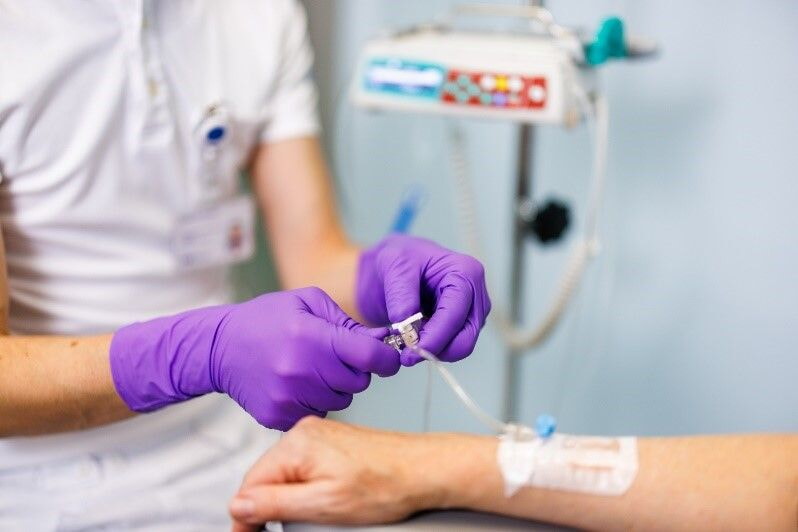
IMMUNO-CAR ZURICH (ZURICAR) – Innovative Cell Therapies for Targeted Cancer Treatment
IMMUNO-CAR ZURICH, or ZURICAR for short, also uses the body’s own immune cells. At the CCCZ, the team is developing new platforms to produce CAR immune cells effectively, flexibly, and at lower cost. CAR immune cells are genetically modified cells that attach to cancer cells and destroy them. The cell products are manufactured at Wyss Zurich and used in Phase I clinical trials for patients who urgently need new treatment options, including patients with glioblastoma and acute myeloid leukemia. This strongly translational, patient-focused approach is supported by state-of-the-art immune monitoring during therapy and by research on making CAR cells even more effective.
“This project develops innovative cell and gene therapies using CAR-modified immune cells to create new treatment options for patients with advanced cancers.”
Prof. Dr. med. Chiara F. Magnani, Department of Medical Oncology and Hematology, USZ
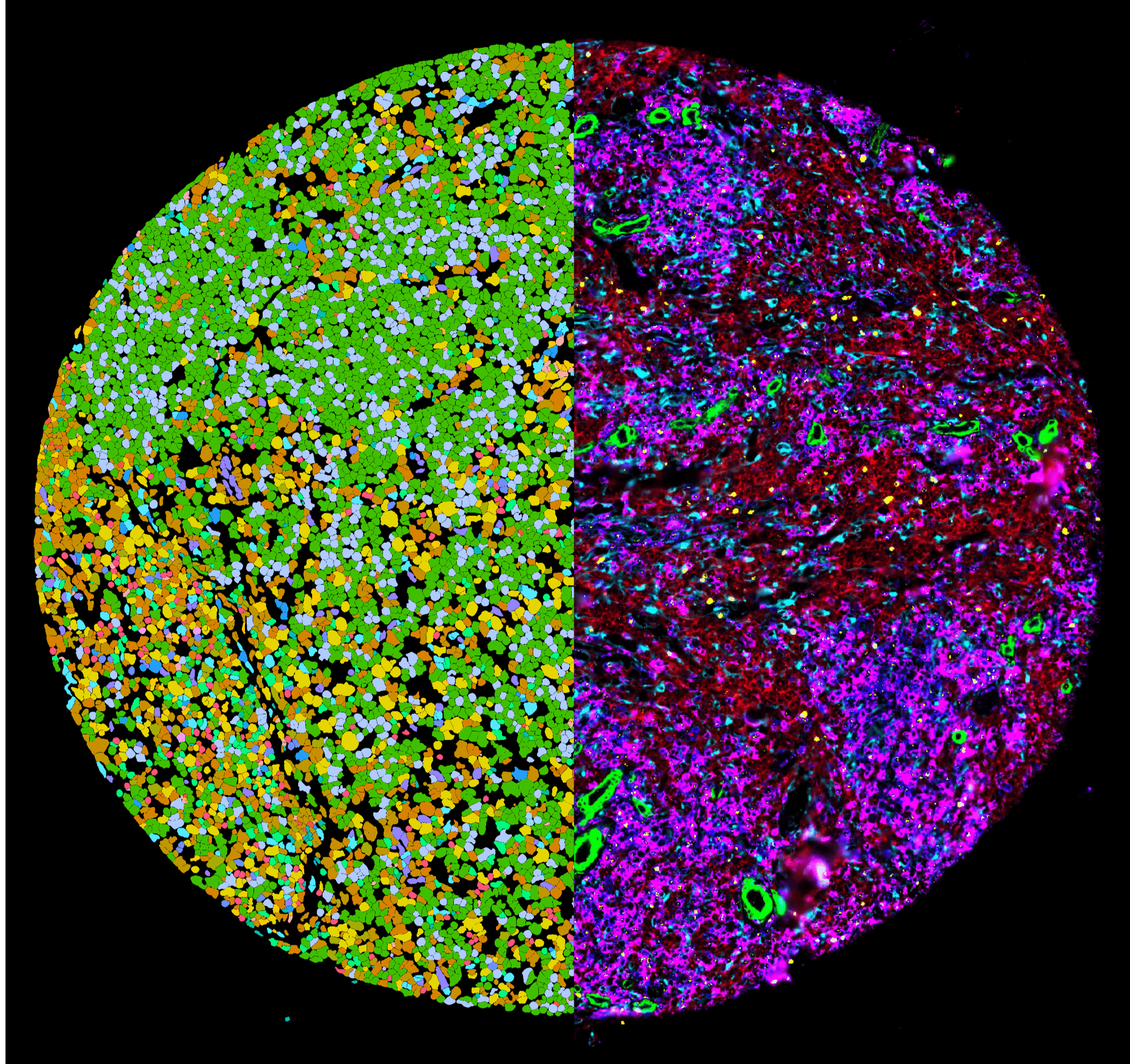
INTeRCePT3.0 – Dynamic, Personalized Risk Prediction in Lymphoma
How early can doctors tell whether a lymphoma treatment is working? The Zurich precision oncology consortium is investigating this question in the INTeRCePT3.0 project. More than 1,000 tumor and blood samples are analyzed before and especially during treatment to detect changes in the tumor and the immune system as early as possible. Advanced computer models and machine learning turn this data into a personal risk profile that is updated continuously. It shows early on whether a treatment is working. If needed, patients can then switch sooner to a more effective treatment. The goal is to reduce side effects and better control aggressive disease.
“We are trying to predict how lymphoma patients will do at the earliest possible point in time. We hope this will be an important step toward personalized cancer therapy.”
Prof. Dr. med. Thorsten Zenz, Department of Medical Oncology and Hematology, USZ
“Our aim is to support research in a way that makes a real difference for people with cancer. Every new finding brings us closer to treating blood cancers more precisely and, in the long run, to curing more of them.”
Prof. Dr. med. Markus G. Manz - Chair CCCZ
Together, these projects are a good example of the CCCZ approach: basic research, clinical expertise, and cutting-edge technology are closely linked so that innovative therapies reach patients as quickly as possible. More than 90 research groups work together across disciplines at the CCCZ, with a clear focus on precision oncology.
Why Does the CCCZ Fund Cancer Research?
From research to better treatment
New cancer therapies start in the lab, but the goal is always to treat patients. That is why funding innovative research is a core task of the Comprehensive Cancer Center Zurich (CCCZ). The CCCZ brings researchers and physicians together to turn scientific findings into new approaches to diagnosis and treatment more quickly.
The best ideas win
Through the Zurich Precision Oncology Funding Program, the CCCZ regularly offers funding for Lighthouse Projects and clinical trials. Independent international experts review each proposal for scientific quality, innovation, and expected benefit to patients. Only the most promising projects receive funding.
Why does research matter for patients?
Every cancer therapy used today was once a research project. Innovative research makes more precise diagnoses, personalized therapies, and better treatment outcomes possible. The CCCZ aims to bring new scientific findings into clinical care as quickly as possible, so that patients can benefit from medical advances early.
CCCZ Lighthouse Projects
Interdisciplinary research teams transfer findings from basic research into clinical application and develop new treatment concepts for cancer.