Research
Cancer Research Areas & Groups
CCCZ brings together and supports cancer research activities across the Zurich university campus. Scientists and physicians from more than 90 research groups and clinical departments work closely together to deepen our understanding of cancer and to translate discoveries into innovative diagnostics and treatments—directly benefiting patients. Dedicated research areas have been established for Tumor Immunology, (Epi)Genetics & Genomics, Oncogenic Signaling and Imaging, Technology Development, and Digitalization.
Tumor Immunology
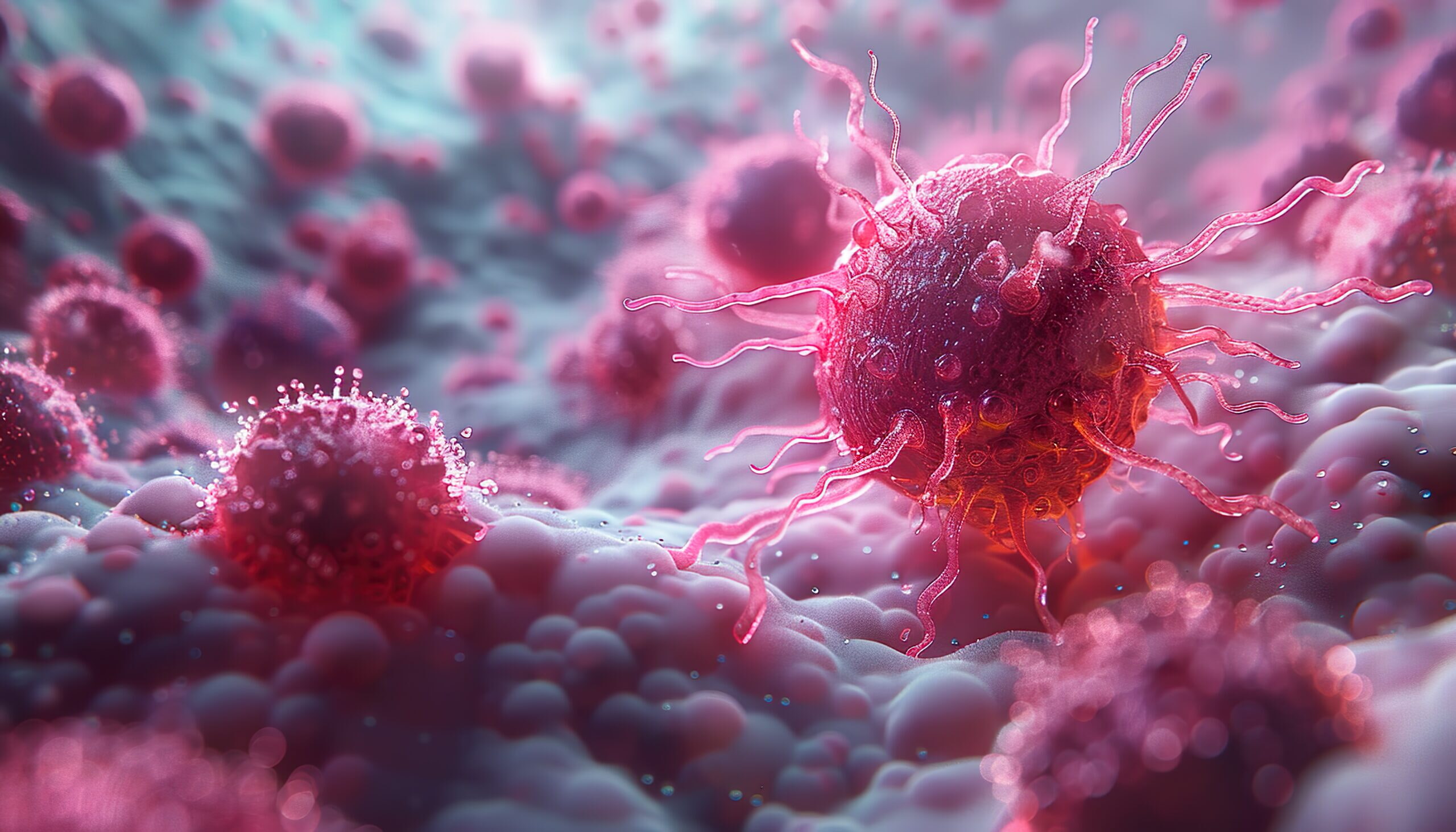
Research studies show that the immune system can influence the development and progression of cancer. Strengthening the immune system is therefore a promising therapeutic approach to fight cancer. Physicians and scientists of the CCCZ Research Area Tumor Immunology investigate the interaction between the tumor and immune system. The overall aim is to develop novel and targeted immunotherapies with minimal side effects.
Epigenetics, Genetics and Genomics
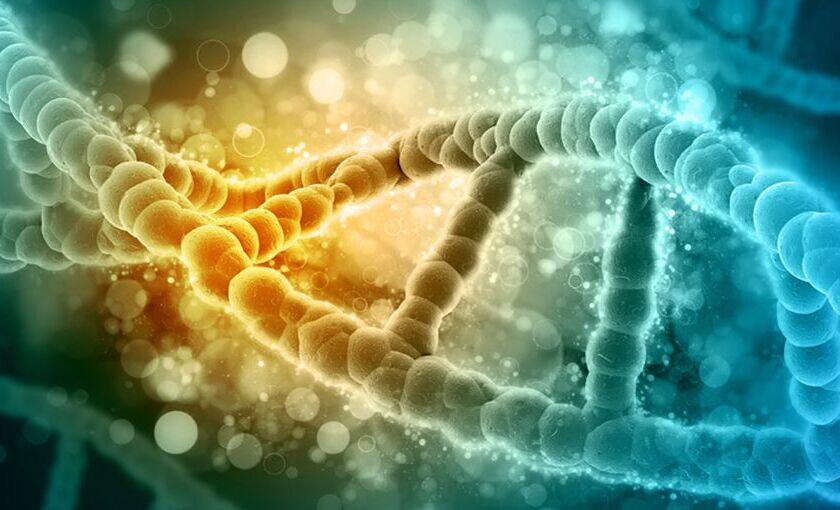
Many of the characteristics of cancer cells, such as malignant growth and the ability to metastasize, are influenced by genetic changes. Research groups of the CCCZ Research Area Epigenetics, Genetics and Genomics study gene and genome alterations in cancer cells aiming to develop novel treatment concepts that selectively target cancer cells.
Oncogenic Signaling
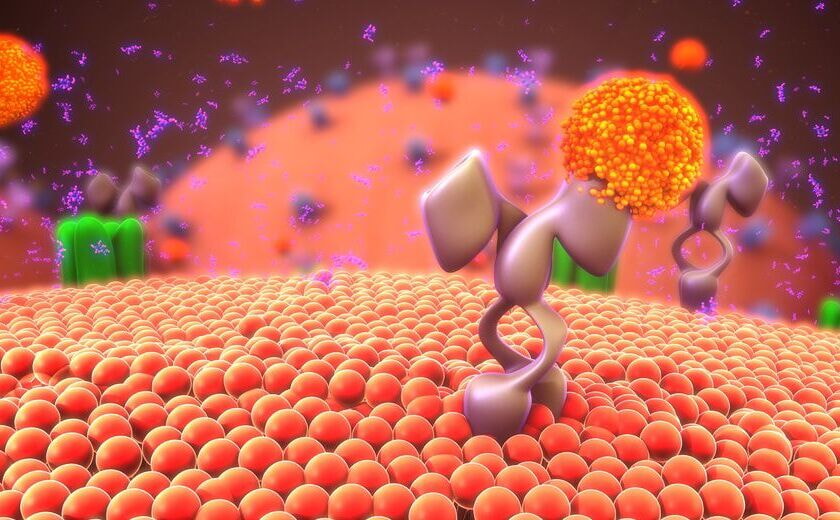
Signal transduction pathways within and between cells are often deregulated in cancer and contribute to uncontrolled growth and metastasis. In the CCCZ Research Area Oncogenic Signaling, scientists and physician investigate the effect of cancer drugs at the molecular level. Another focus is to overcome drug resistance of cancer cells.
Imaging, Technology and Digitization
The CCCZ Research Area Imaging, Technology and Digitization develops advanced imaging methods—such as innovative MRI sequences, PET, and radiomics—for precise tumor characterization. High-throughput molecular and single-cell technologies support molecular diagnostics and disease monitoring. Modern bioinformatics, data science, and AI are key to translating scientific and clinical data into better treatments.